
Never Too Late to Create
Besides, it’s good for you!

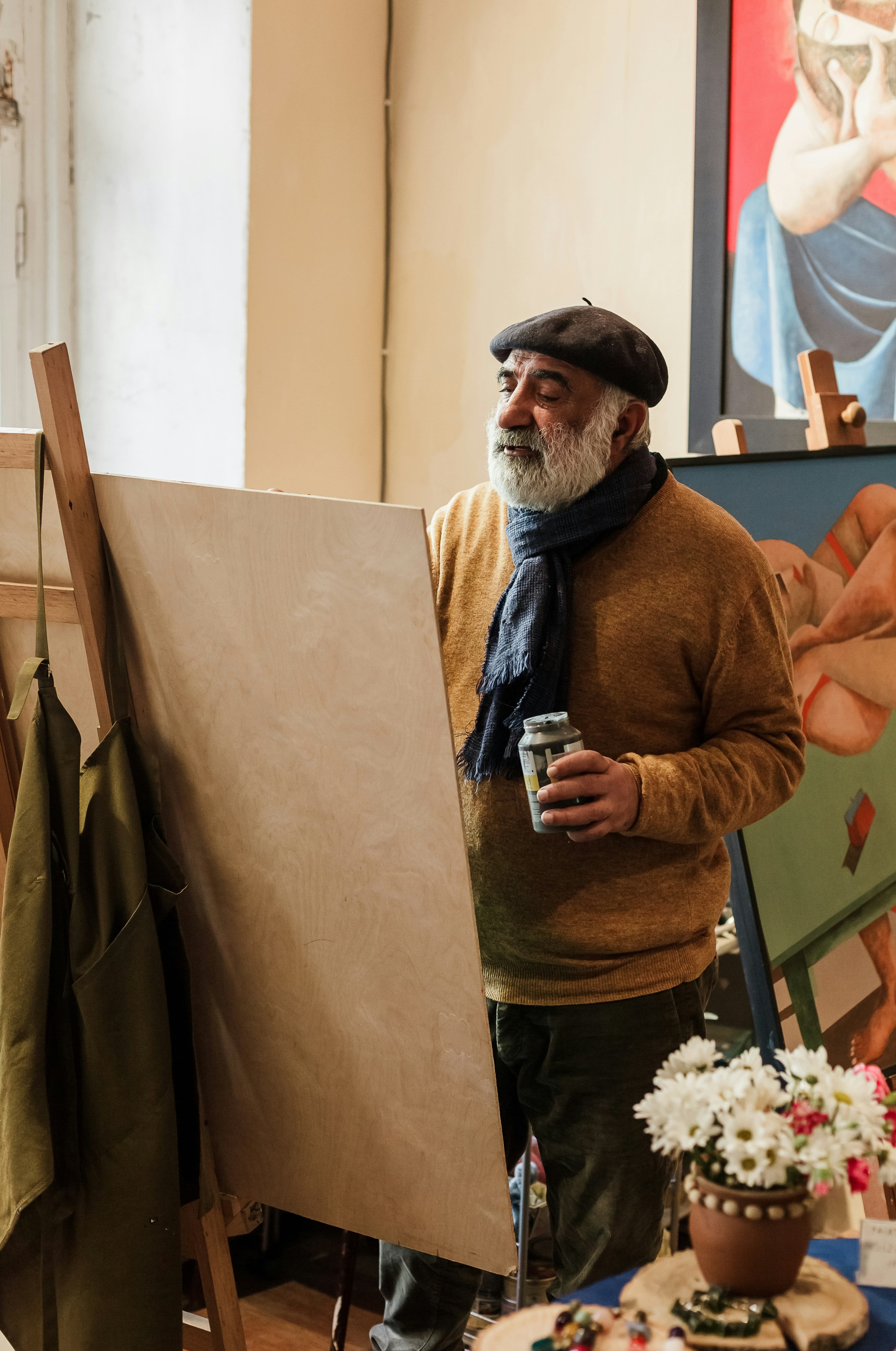
Photo by Diana Light for Unsplash+
In the late 1960s, scientist George Land conducted a landmark study on creativity. He took an assessment tool he had devised for NASA to help it select innovative engineers and scientists and administered it to 1,600 children aged 3-5 who were enrolled in the Head Start Program. He retested the same children at age 10, and again at age 15. The results were remarkable. The percentage of children who scored at the “genius” level of creativity were:
At age 5: 98%
At age 10: 30%
At age 15: 12%
And among 280,000 adults: 2%
At first glance, these results might suggest that the older you get, the less creative you become. But Land drew a different conclusion: Non-creative behavior is learned behavior. And that strongly suggests that it can be unlearned, and creative behavior can be taught. At any age.
That’s great news for every latter-day painter, pianist, and poet. Our creative abilities have not withered with age. We were born with them. We only learned to suppress them to get along in a world that demands that we align our thinking along accepted, conventional pathways.
And there’s no better time to flex our creative muscles that now, because we have entered a stage of life where the stakes have never been lower. Dabbling in the arts will not risk throwing your household into abject poverty. And it’s not too late to start. No, we missed our chance to be applauded as the young literary lion or the incredible musical prodigy, but who cares? On the plus side, we don’t have to fear being booed off the stage if we make a mistake. We can try, we can flop, we can try again or switch to something else and nobody will damn us with faint praise. In fact, nobody will give a damn at all. Because our creativity at this stage of life isn’t about pleasing other people – it’s strictly for ourselves. We are free to create for our own enjoyment and our own sense of fulfillment.
If that’s not enough to make you pick up a brush or plunge both hands into a mound of wet clay, consider this: Expressing yourself creatively is also good for your health. Really good.
Body and Brain
In Your Brain on Art: How the Arts Transform Us, authors Susan Magsamen and Ivy Ross present research showing that rhythmic, repetitive hand movements release serotonin, dopamine, and oxytocin in the brain, contributing to a calmer, more reflective state. The authors also cite evidence that exposure to the arts can help prevent disease, manage pain, and help people live longer.
There is also strong evidence that creative practices – including such activities as storytelling, gardening, and dance – slow aging in our brains by strengthening communication between different brain regions. These findings are consistent across a range of activities.
The myth that aging makes you less adventurous and creative “can’t be farther from the truth,” writes retirement life coach Cyn Meyer. “You can build your creativity level at any stage of life. In other words, you can exercise, practice, and train your brain to be creative no matter your age.”
“Those who create are able to reconnect with their inner child,” says writer and artist Patricia Cusack. “Children see the world with fresh eyes, full of wonder and possibility. Writers [and other creatives] who succeed later in life often recapture this sense of wonder.” And as the Land study clearly demonstrates, having a childlike appreciation for the newness of the everyday makes the mind more open to creative thinking.
Have you been longing for a chance to spread your creative wings and take your shot? Wait no more: This is your engraved invitation. Roll up your sleeves and show yourself (if not the world) what you’re capable of. To paraphrase another dreamer, you have nothing to lose but your chains.
Very inspiring! I have two friends who've discovered their inner visual artist and are getting a tremendous amount of joy from it. And both have turned it into reasons to travel (painting in the French countryside, enrolling in a 6-month art program in rural Scotland). And I'm getting back to playing a musical instrument, partly inspired by your wife. Because you're right--you are your own audience.
Great post! I feel like every book I work on is my first one and thus relearn the process every time (PS I qualified for Medicare last year, but who the hell cares)